Unlock Tender Weeknight Meatloaf: The Panade & Glaze Secret Revealed
In the symphony of comforting family dinners, few dishes strike a chord quite like meatloaf. It's a timeless classic, a hearty centerpiece that promises warmth, satisfaction, and often, delightful leftovers. But how do you elevate this beloved staple from merely good to truly extraordinary, especially on a busy weeknight? The secret, as many home cooks discover, lies in two often-overlooked components: the humble panade and the irresistible, sticky glaze. Together, they transform a simple ground meat mixture into a culinary masterpiece – a truly tender, flavorful Simple Weeknight Meatloaf: Your Go-To Family Comfort Dinner that will have everyone running to the table.
Forget the dry, crumbly meatloaves of the past. Our goal is a moist, succulent creation, bursting with savory notes and crowned with a sweet-tangy finish. This comprehensive guide will delve into the magic behind these two essential elements, providing you with all the insights and tips to master the ultimate weeknight meatloaf.
The Tenderizing Magic of the Panade: Beyond Just Breadcrumbs
What is the true secret to a remarkably tender meatloaf? It's not just about the meat blend, though that plays a crucial role. It's about how you bind and moisturize the mixture, and that's where the panade comes in. While some recipes might skip milk or use dry breadcrumbs, for an unparalleled tender texture, a proper panade is non-negotiable.
What Exactly is a Panade?
A panade (pronounced pah-NOD) is a mixture of a starch (typically bread) and a liquid (usually milk or broth). For our weeknight meatloaf, we use soft white sandwich bread soaked in whole milk. The process is simple: tear bread into small pieces, drench them in milk, and then gently mash until a soft, uniform paste forms. This seemingly minor step is incredibly powerful.
Why a Panade Makes All the Difference
- Unmatched Moisture Retention: Unlike dry breadcrumbs, which absorb moisture from the meat as it cooks, the milk-saturated bread in a panade introduces significant moisture into the mix from the start. As the meatloaf bakes, this moisture is gradually released, keeping the meat juicy and preventing it from drying out.
- Superior Binding: The softened bread and milk create a gelatinous mixture that acts as a gentle, yet effective, binder. This helps hold the meatloaf together without making it dense or rubbery.
- Prevents Overmixing: A well-made panade allows you to incorporate ingredients evenly with minimal mixing. Overmixing ground meat develops the proteins, leading to a tough, firm texture. The panade helps create a more tender crumb by preventing excessive protein cross-linking.
- Fluffy Texture: The soaked bread swells and creates tiny pockets within the meatloaf, resulting in a lighter, more open texture compared to dense, crumbly alternatives.
By taking just a couple of minutes to prepare this simple panade, you're laying the foundation for a truly tender and juicy weeknight meatloaf that will far surpass any made with dry breadcrumbs alone. It's a small investment with a huge payoff in texture and taste.
Crafting the Flavorful Foundation: More Than Just Meat
While the panade ensures tenderness, the foundation of any great meatloaf is, of course, its flavor profile. This weeknight meatloaf recipe meticulously combines high-quality ingredients and a thoughtful blend of seasonings to deliver a rich, savory experience perfect for an Easy Weeknight Meatloaf: Quick Comfort Food for Busy Families.
The Power of the Meat Blend
Our recipe calls for a dynamic duo of meats: 1½ pounds of ground chuck and 1 pound of ground breakfast sausage. This combination is intentional:
- Ground Chuck: With a good fat-to-lean ratio (typically 80/20), ground chuck provides rich beefy flavor and essential moisture. The fat renders during cooking, basting the meat from within.
- Ground Breakfast Sausage: This is a secret weapon for adding incredible depth and complexity without much effort. Pre-seasoned with herbs and spices like sage, black pepper, and sometimes fennel, it infuses the meatloaf with an extra layer of savory goodness that ground beef alone can't achieve. It also adds more fat, contributing to the overall juiciness.
Aromatic Vegetables and Savory Seasonings
Beyond the meat, a medley of fresh and pantry ingredients builds the flavor scaffolding:
- Fresh Aromatics: Grated garlic, diced bell pepper, chopped scallions, and chopped celery bring vibrant freshness, subtle sweetness, and a pleasant textural contrast to the meat. Grating the garlic ensures it's evenly distributed and less pungent.
- The Flavor Bomb: Lipton Onion Soup Mix: This pantry staple is a game-changer for weeknight meatloaf. It's a concentrated blend of dried onion, beef bouillon, and various spices, instantly imparting a classic savory depth and umami that tastes like hours of simmering.
- Custom Spice Blend: To further enhance and balance the flavors, we add:
- Kosher Salt & Onion/Garlic Powder: Essential enhancers.
- Dried Fennel: A subtle hint of anise that pairs beautifully with pork sausage, adding a gourmet touch.
- Dried Parsley & Herbs de Provence: Aromatic, earthy notes that round out the savory profile.
- Smoked Paprika: Deep, smoky undertones that add warmth and complexity.
The key to bringing all these fantastic ingredients together is gentle handling. After adding everything, use clean hands to mix just until combined. Do not overmix! This is crucial alongside the panade for maintaining that desired tender texture.
The Glaze: A Sweet & Tangy Crown for Your Meatloaf
The final flourish that elevates a good weeknight meatloaf to a great one is a luscious, caramelized glaze. This isn't just for show; it's an integral part of the flavor and texture experience.
Why the Glaze Matters
A well-executed glaze serves multiple purposes:
- Burst of Flavor: The combination of tangy ketchup and sweet brown sugar creates a perfectly balanced sweet-and-sour profile that cuts through the richness of the meatloaf. It's a classic pairing for a reason!
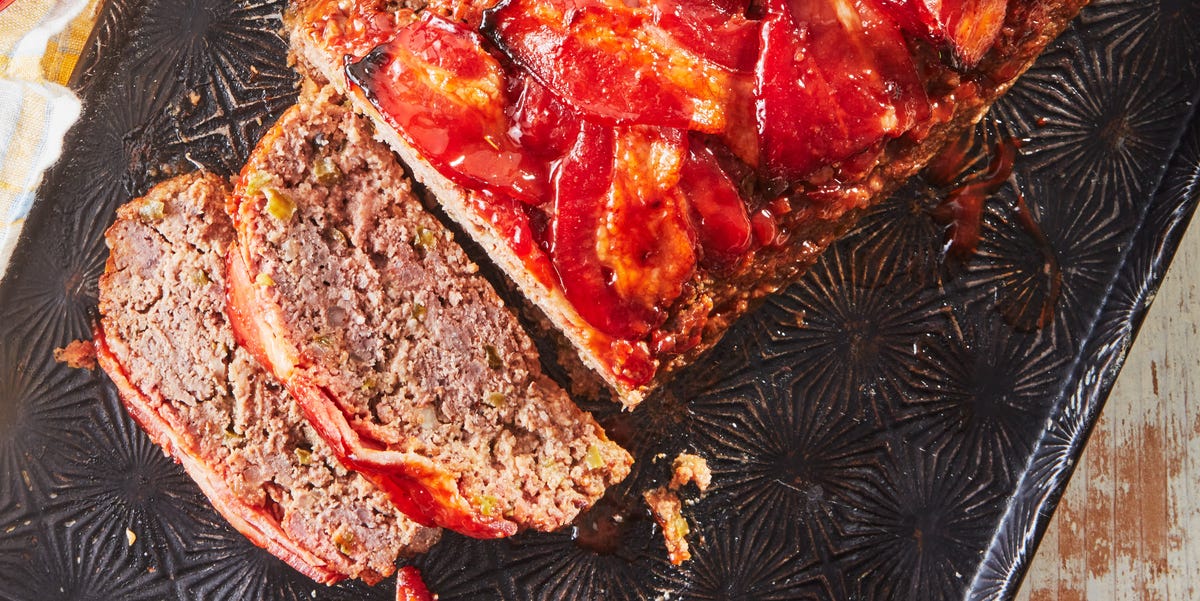
- Irresistible Texture: As the glaze bakes, the sugars caramelize, forming a slightly sticky, glossy crust on top of the meatloaf. This adds a fantastic textural contrast to the tender interior.
- Visual Appeal: A beautifully glazed meatloaf looks appetizing and professional. The deep, shiny red-brown crust signals a delicious meal awaits.
- Seals in Moisture: While the panade keeps the interior moist, the glaze helps to seal the top, further preventing moisture loss during the final baking stage.
The Art of Glazing
The timing of the glaze application is critical. You don't want to apply it at the very beginning, as the sugars could burn before the meatloaf is cooked through. Instead, bake the meatloaf uncovered for the initial 45-50 minutes, allowing it to firm up and cook mostly through. Then, remove it from the oven, spoon the simple ketchup-brown sugar mixture evenly over the top, and return it to bake for another 10-15 minutes.
During this final bake, the glaze will bubble, thicken, and transform into that gorgeous, caramelized crown. The internal temperature should reach 160°F, ensuring it's perfectly cooked and safe to eat.
Mastering Your Weeknight Meatloaf: Tips for Success
Armed with the secrets of the panade and the glaze, here are a few extra tips to ensure your weeknight meatloaf is always a triumph:
- Don't Skip the Rest: Once the meatloaf is out of the oven, resist the urge to slice it immediately. Letting it rest for 10 minutes allows the juices to redistribute throughout the loaf. This makes for a more succulent, less crumbly slice.
- Maintain Oven Temperature: Stick to the recommended 350°F (175°C). Too high, and the outside might cook too quickly or burn before the inside is done.
- Use a Meat Thermometer: The only sure way to know your meatloaf is perfectly cooked and safe is to check its internal temperature. 160°F is the target for ground beef.
- Loaf Pan vs. Freeform: While some recipes suggest freeform loaves on a baking sheet, using a lightly greased loaf pan helps the meatloaf hold its shape, cook more evenly, and ensures the bottom remains moist.
- Leftovers are Gold: This meatloaf tastes even better the next day! Slice it thick for sandwiches, crumble it into chili, or serve it cold alongside a salad.
Pair your magnificent weeknight meatloaf with classic sides like creamy mashed potatoes, steamed green beans, or roasted carrots for a complete and utterly satisfying meal.
Conclusion
Transforming an everyday dish into a memorable culinary experience often comes down to understanding and appreciating the finer details. For weeknight meatloaf, the journey to unparalleled tenderness and flavor begins with the simple yet powerful panade, ensuring every bite is moist and succulent. It culminates with a perfectly caramelized glaze, adding that irresistible sweet-tangy finish that makes the dish truly sing. By embracing these two "secrets," you're not just cooking a meal; you're crafting a comforting masterpiece that will become a beloved staple in your home, proving that even on the busiest evenings, extraordinary flavors are within reach.
